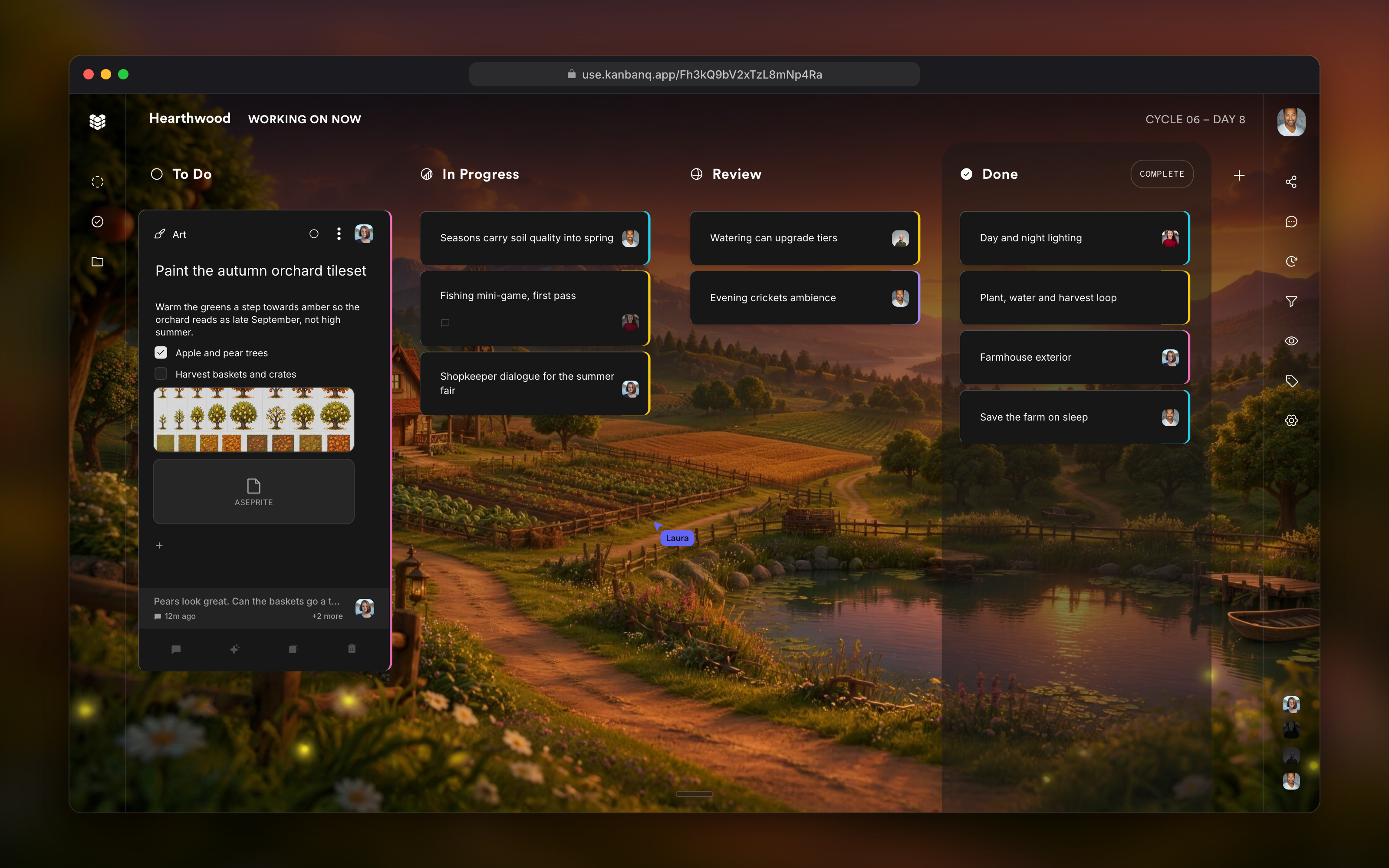
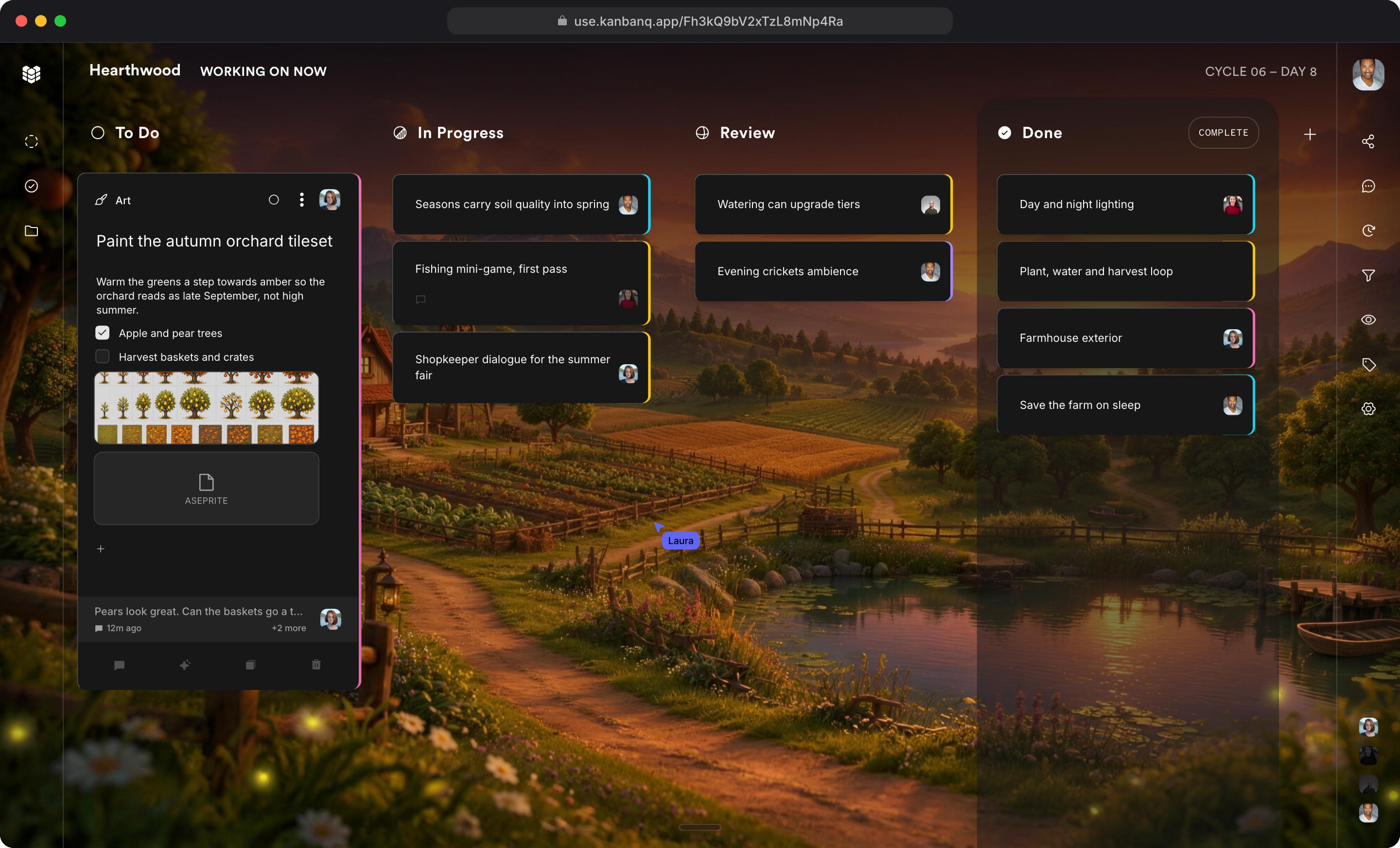
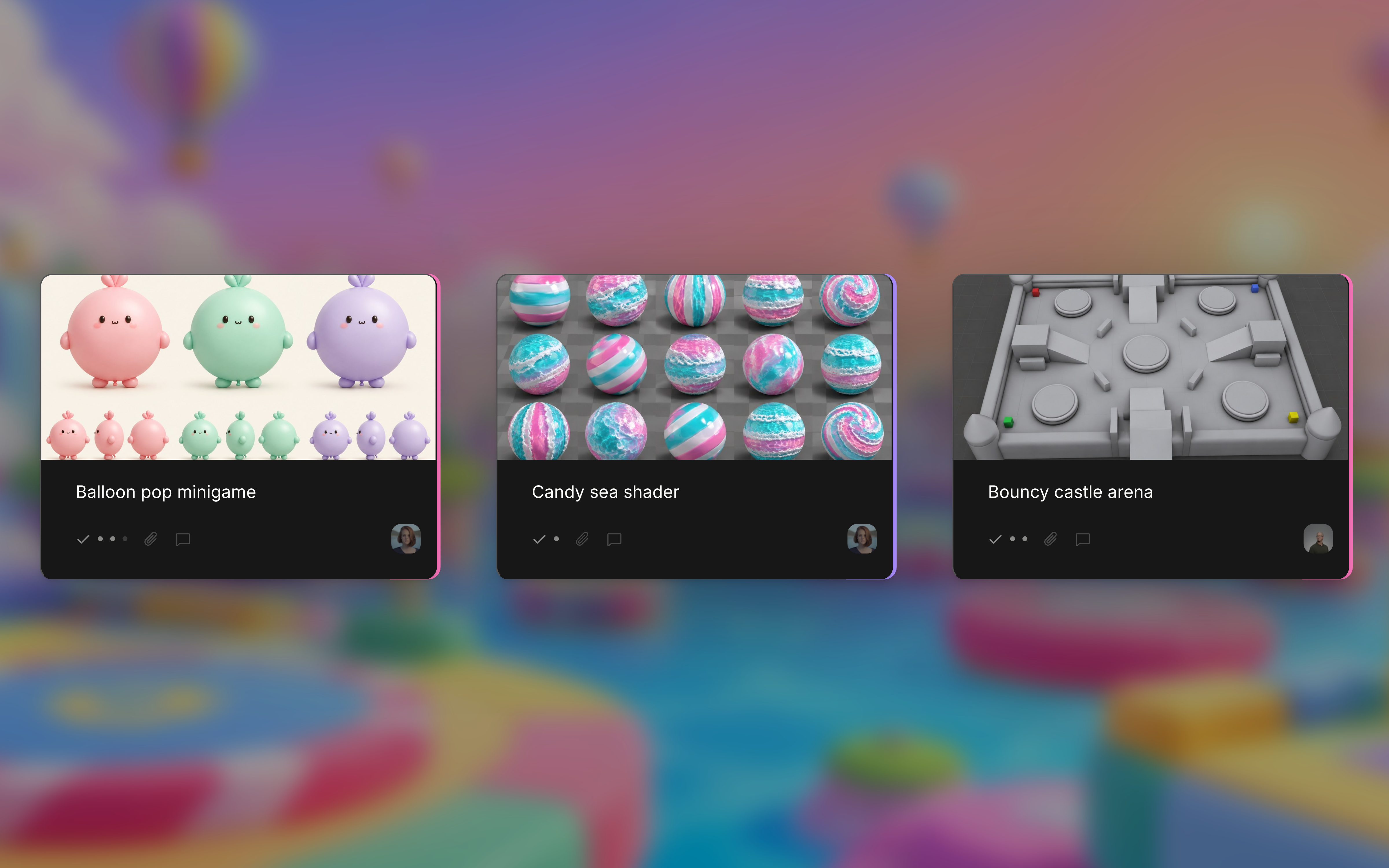
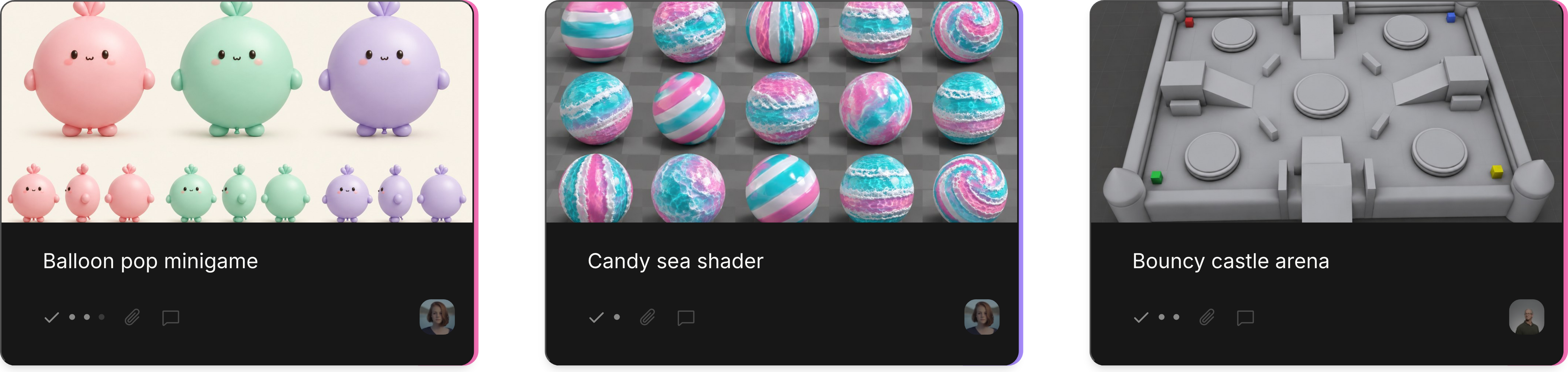
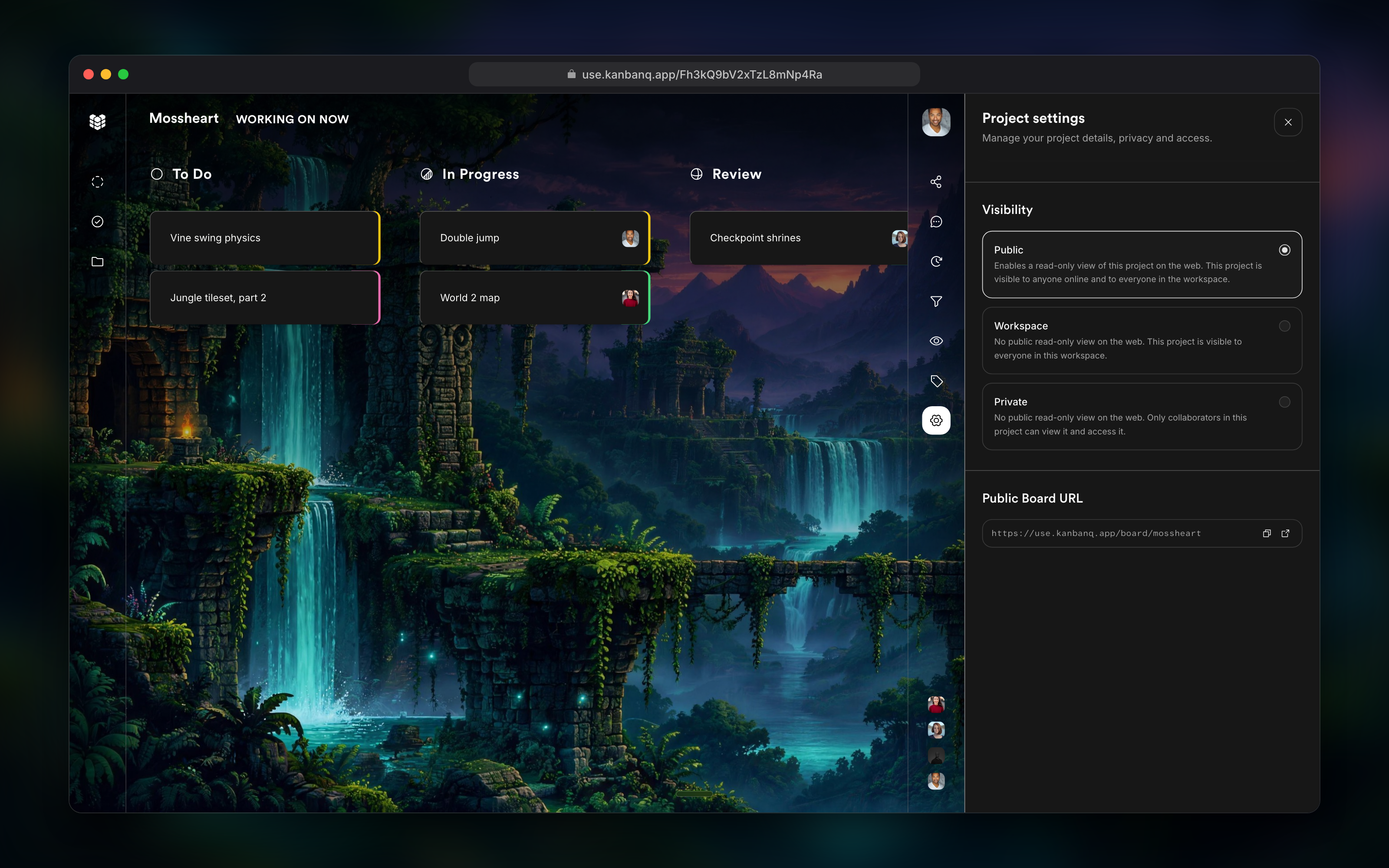
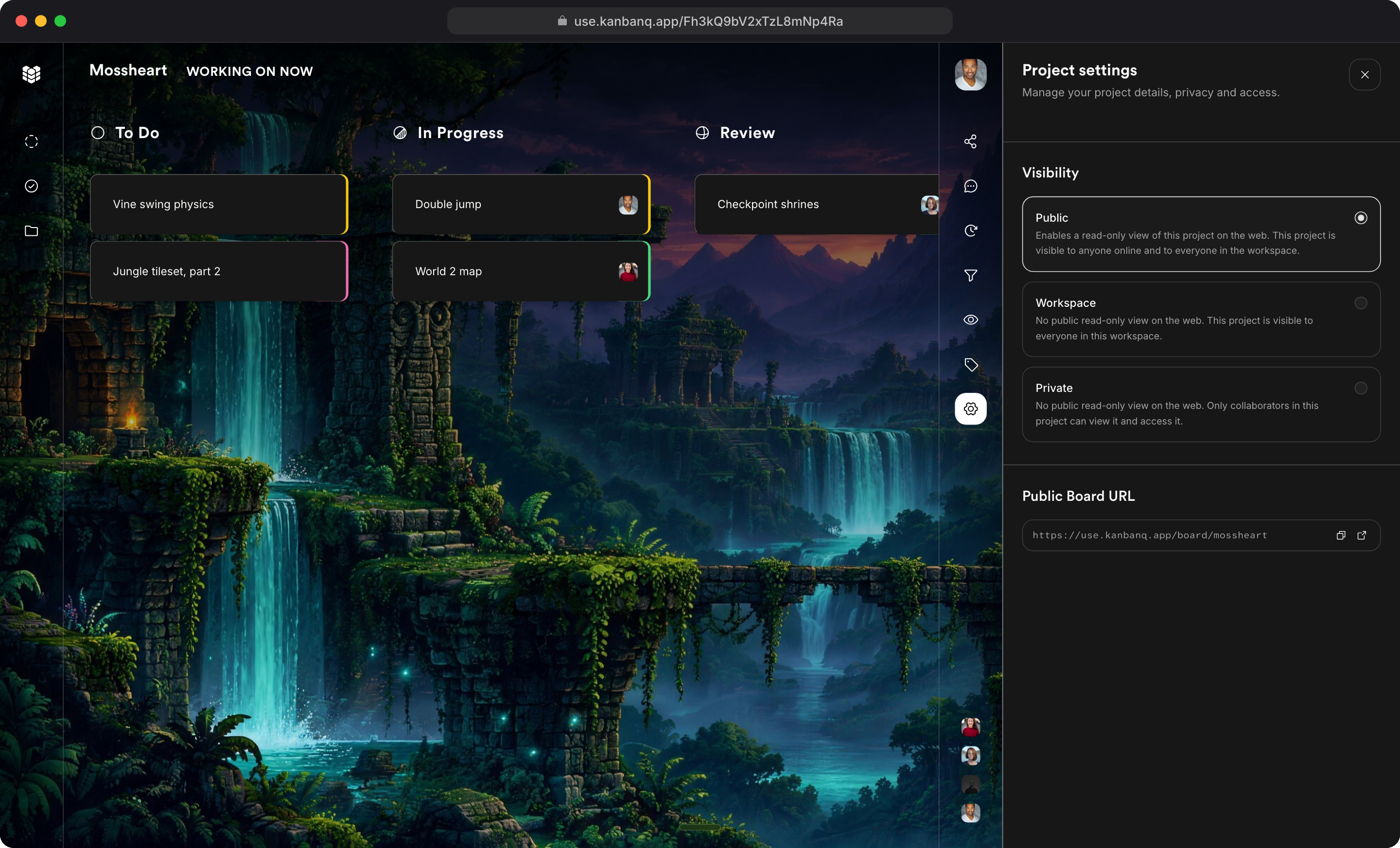
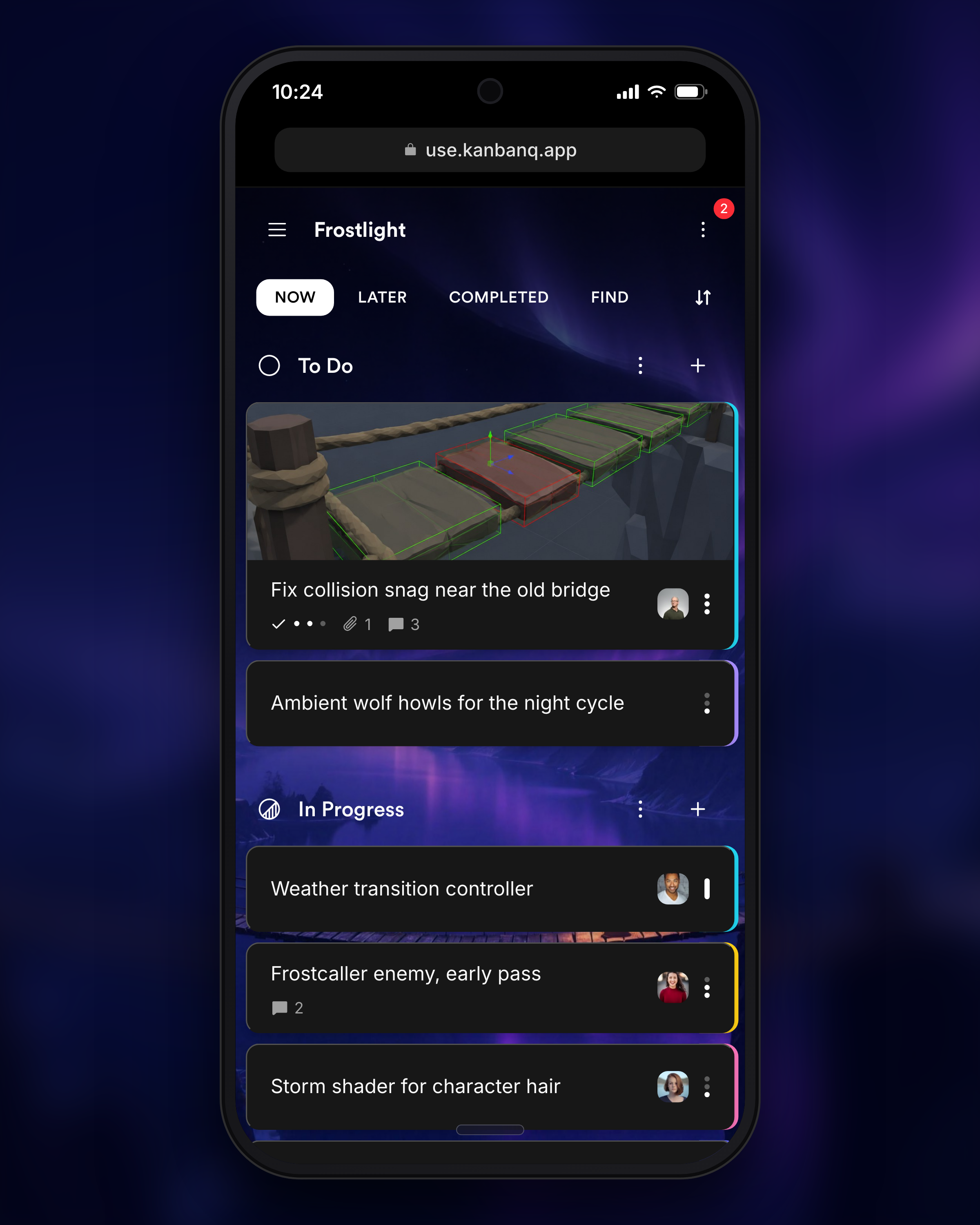
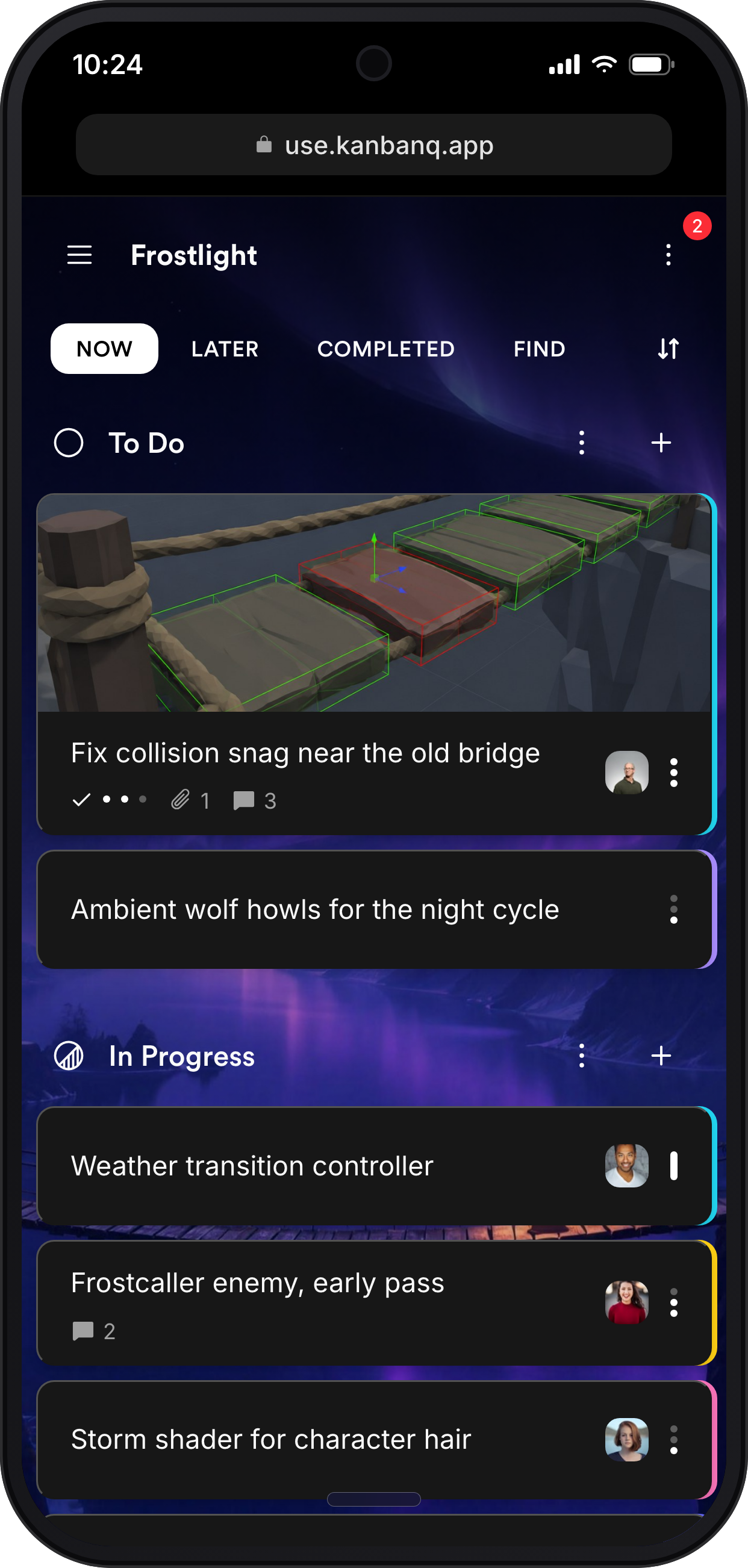
Kanbanq, the simple project management tool made for small teams, indie makers, and people who do not speak fluent "agile," today announced the official release of its rebuilt platform. The launch marks the end of roughly a year in open beta, during which the tool was used daily by a growing community of small teams, freelancers, students, and solo creators.
The new release is a ground-up rebuild. Kanbanq is now faster, more stable, and more secure, and it is built to run real teams rather than just preview the idea of one. The headline change is how open it has become. Where the old version capped how many people you could share a board with, the new Kanbanq lets you invite as many collaborators as you want on the free plan, with full real-time collaboration included.
A free plan that is genuinely free
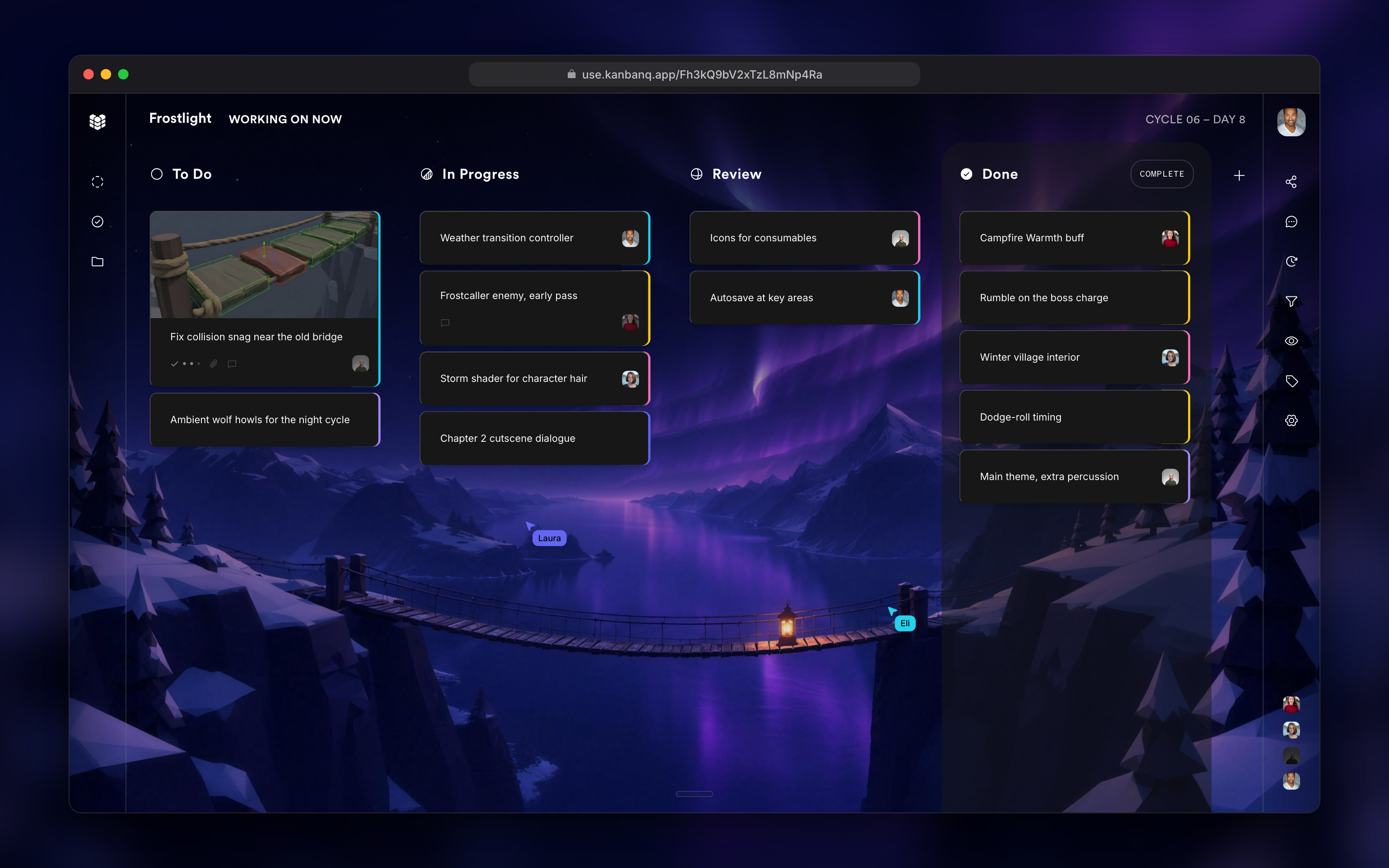
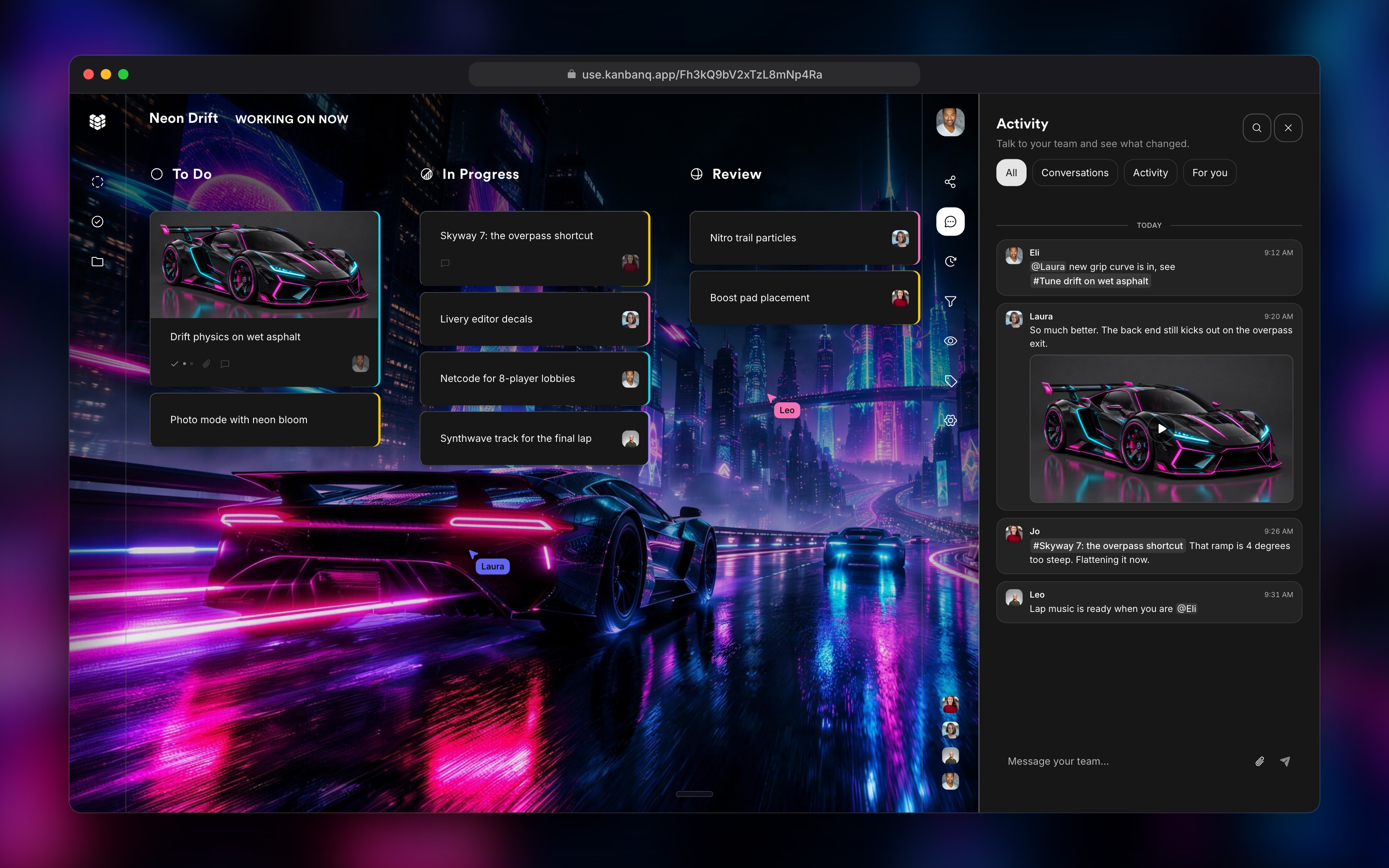
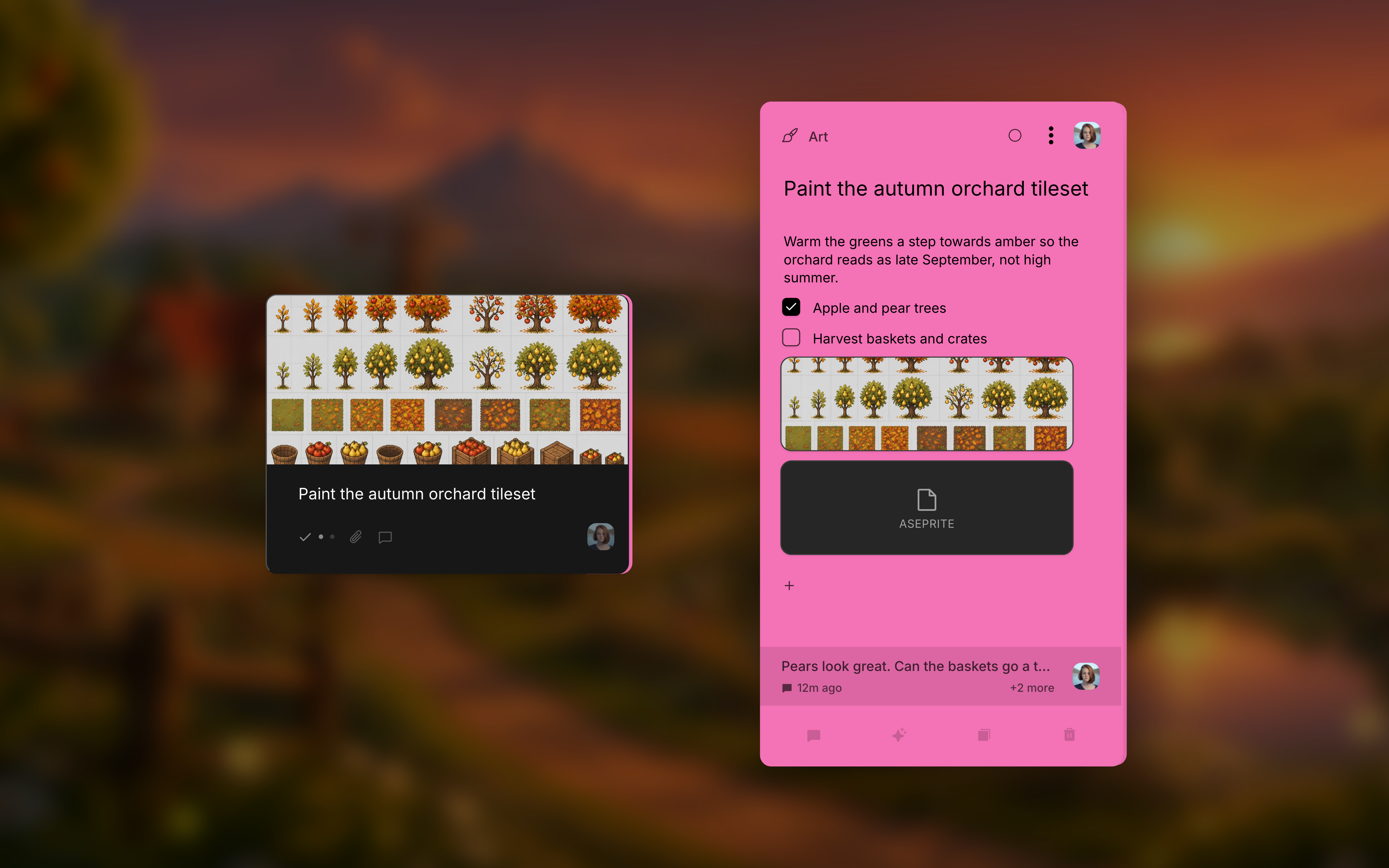
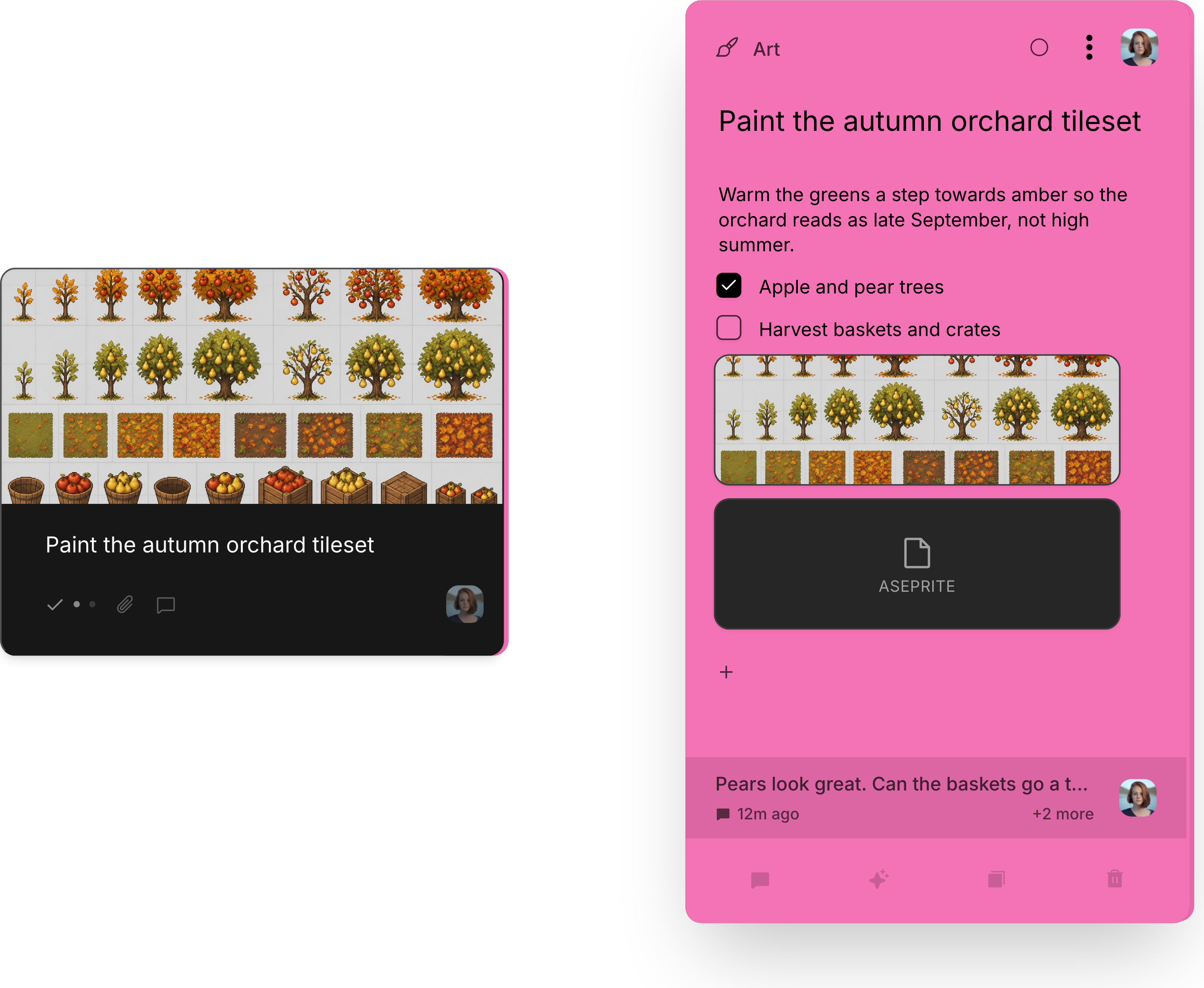
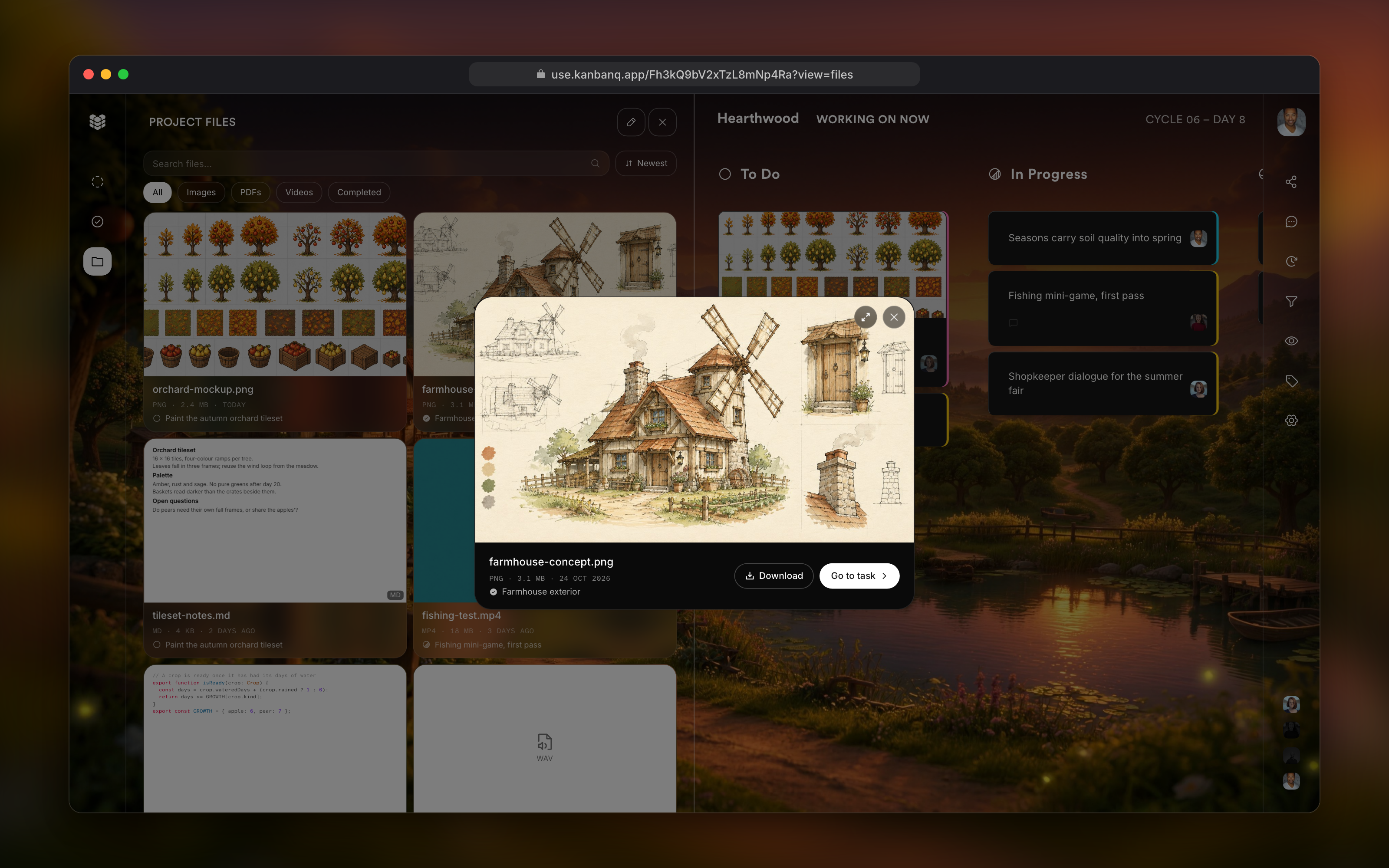
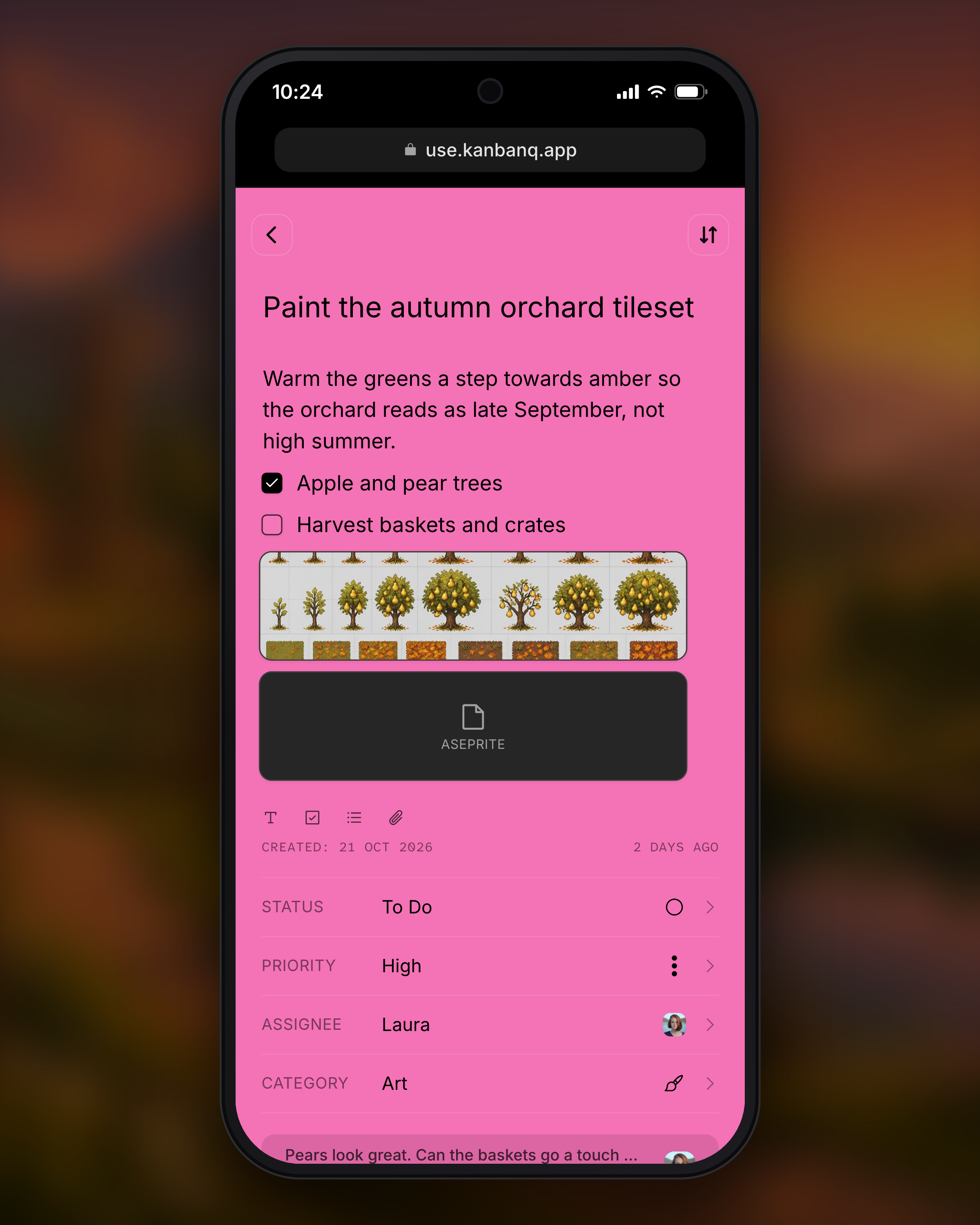
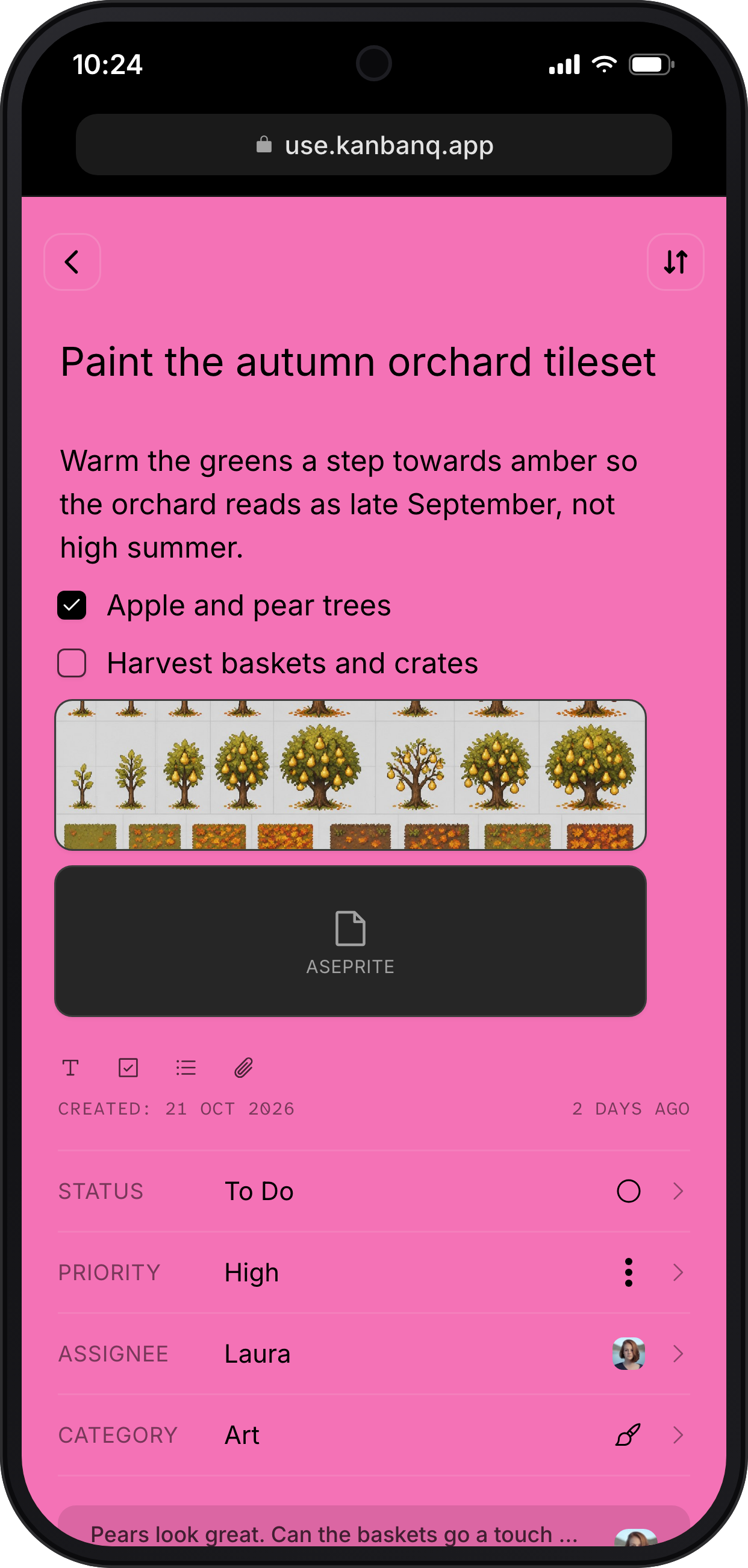
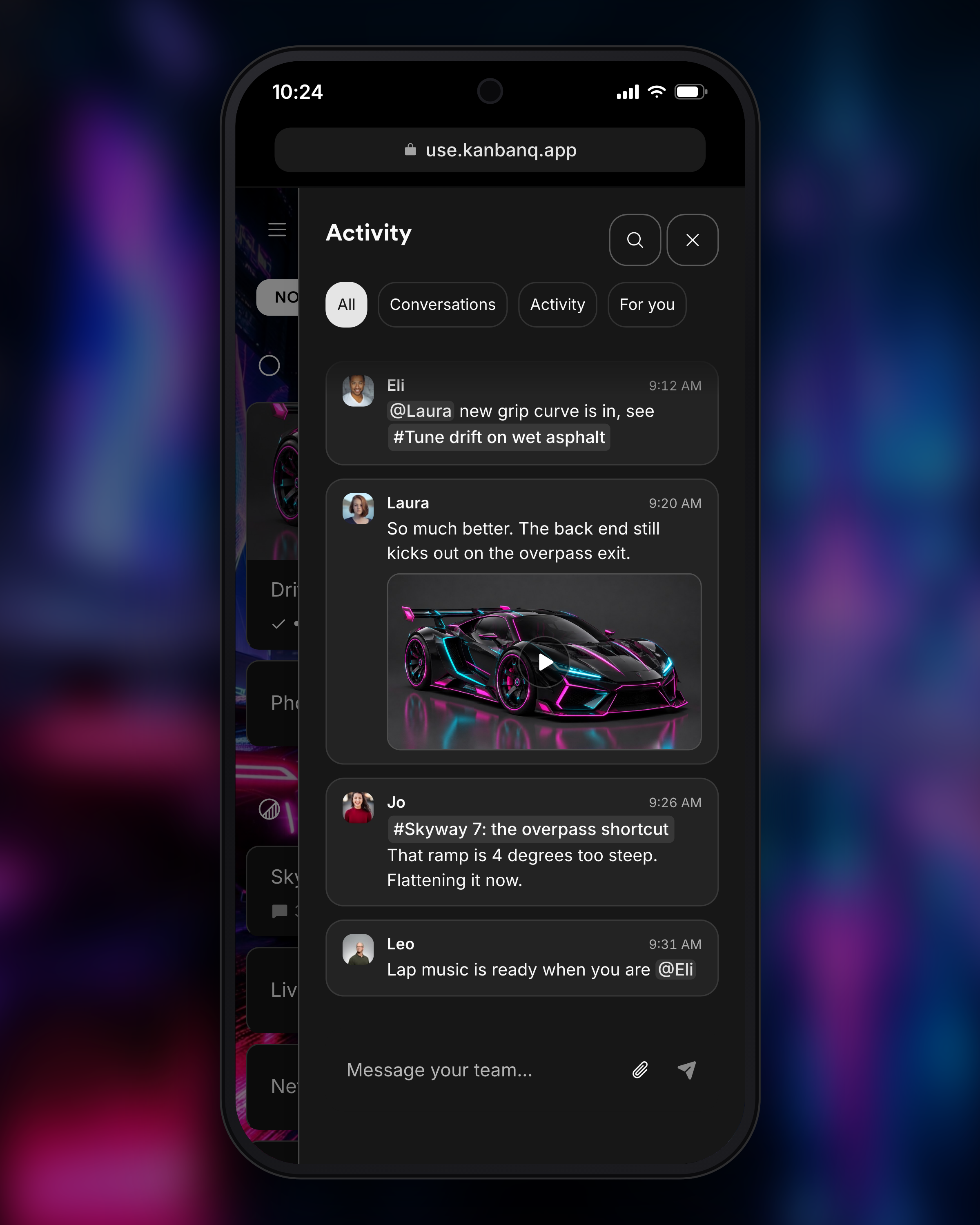
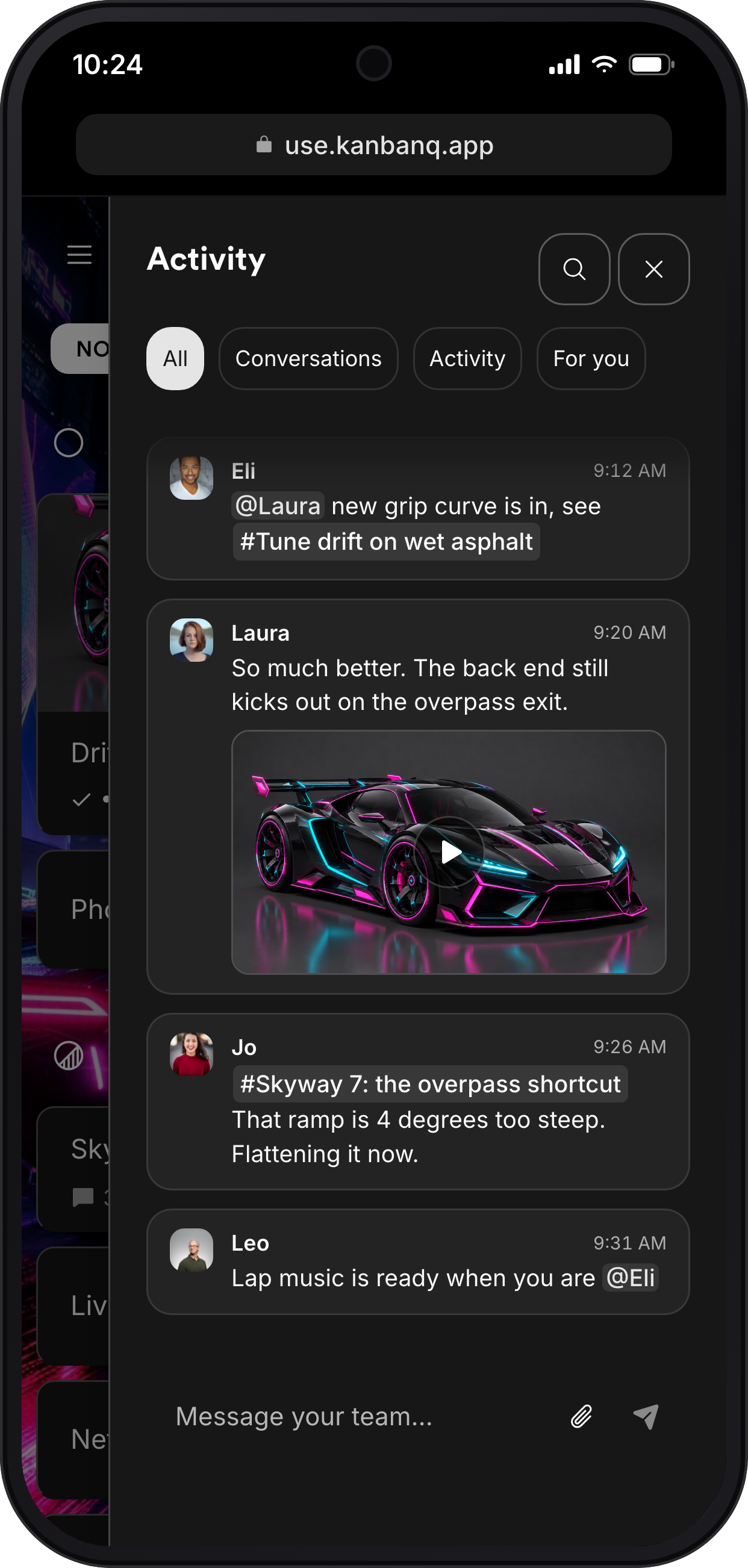
The free plan includes unlimited users, unlimited workspaces, and up to 250 active tasks per workspace. Completed tasks do not count toward the limit, so finished work never eats into your space. There is no trial clock and no credit card required. Real-time collaboration is part of the free plan, not a paywalled extra. Teammates see each other's live cursors as they work, organised by task category, so a board feels less like a static list and more like a shared room.
Built for people, not process
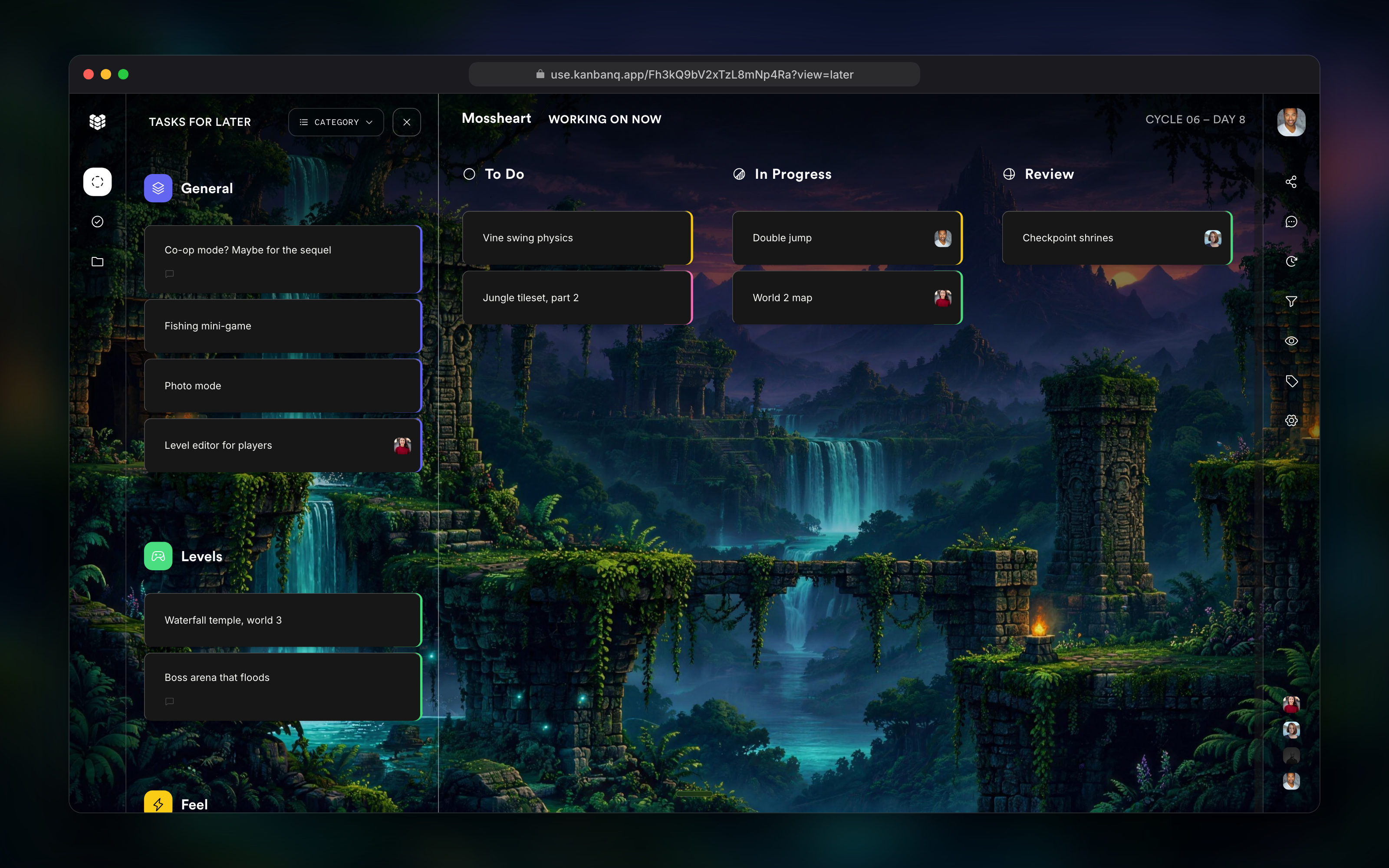
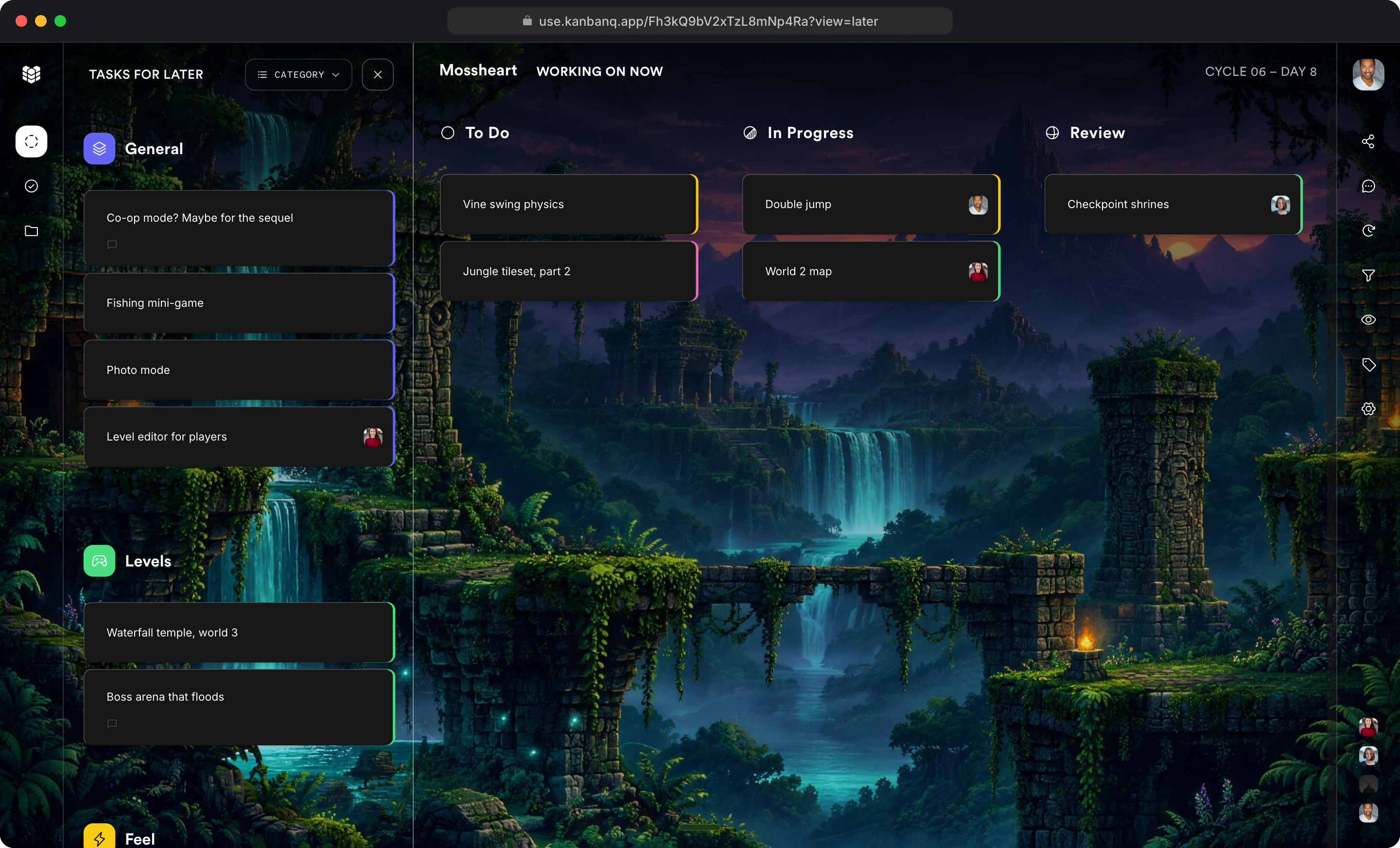
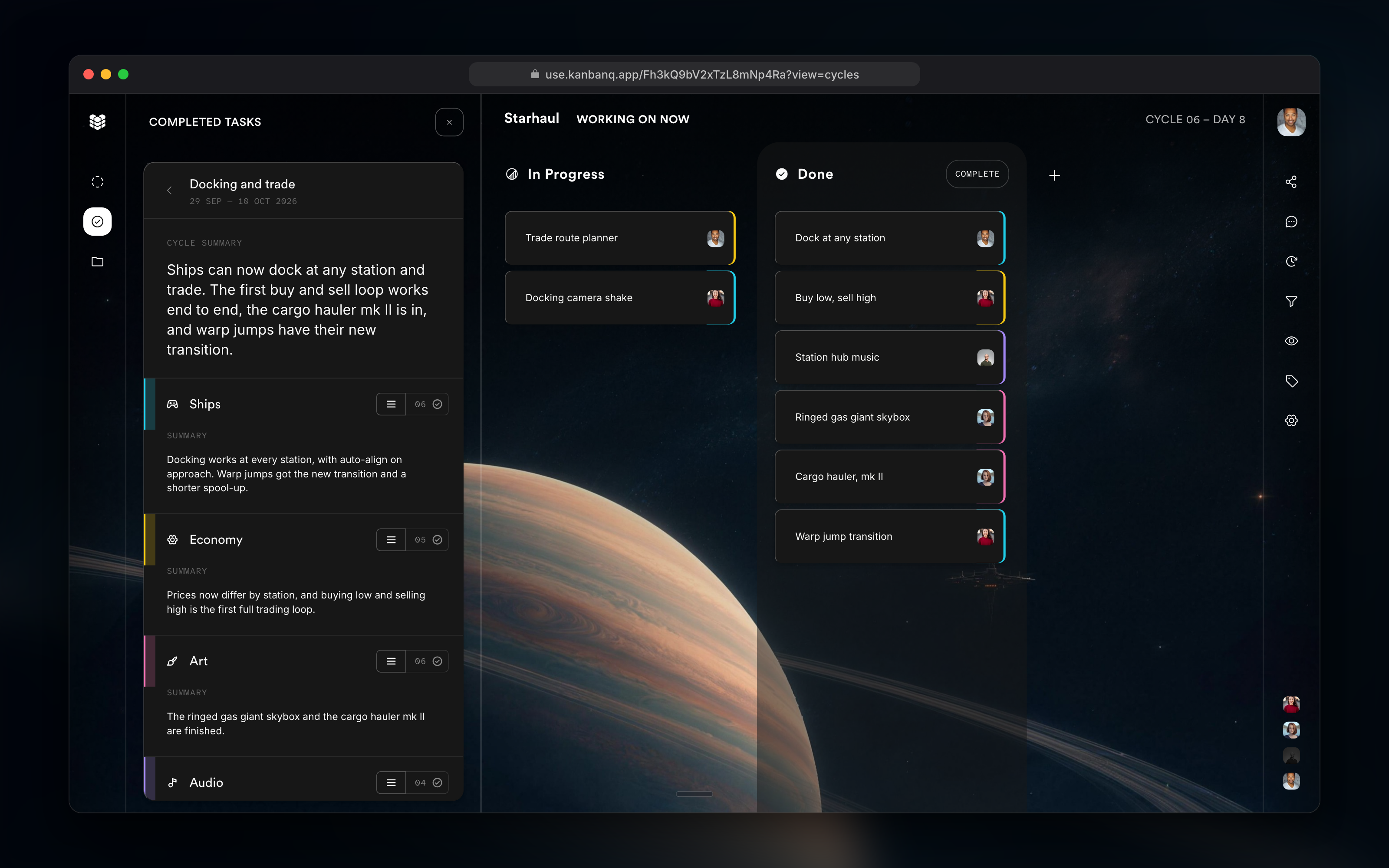
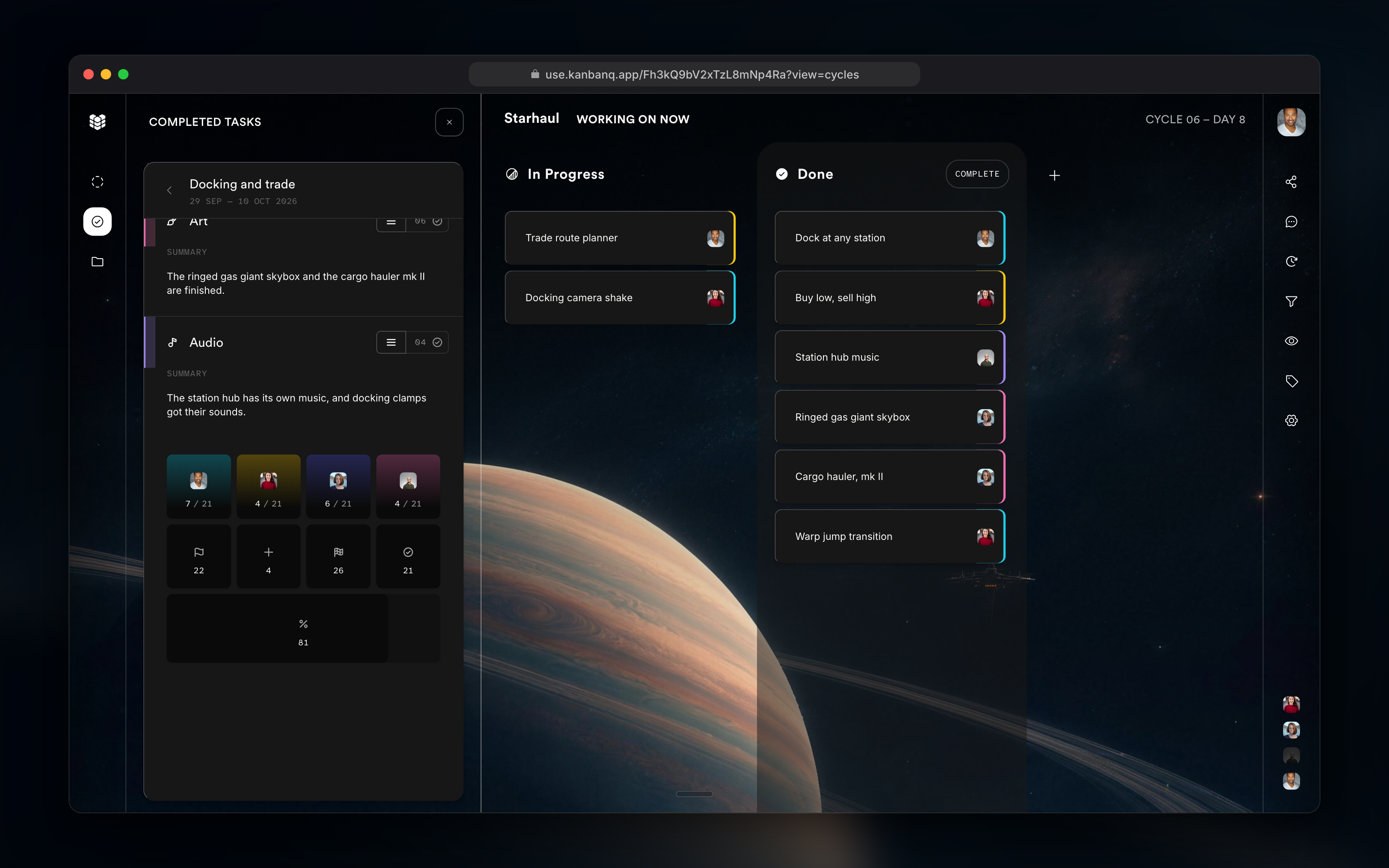
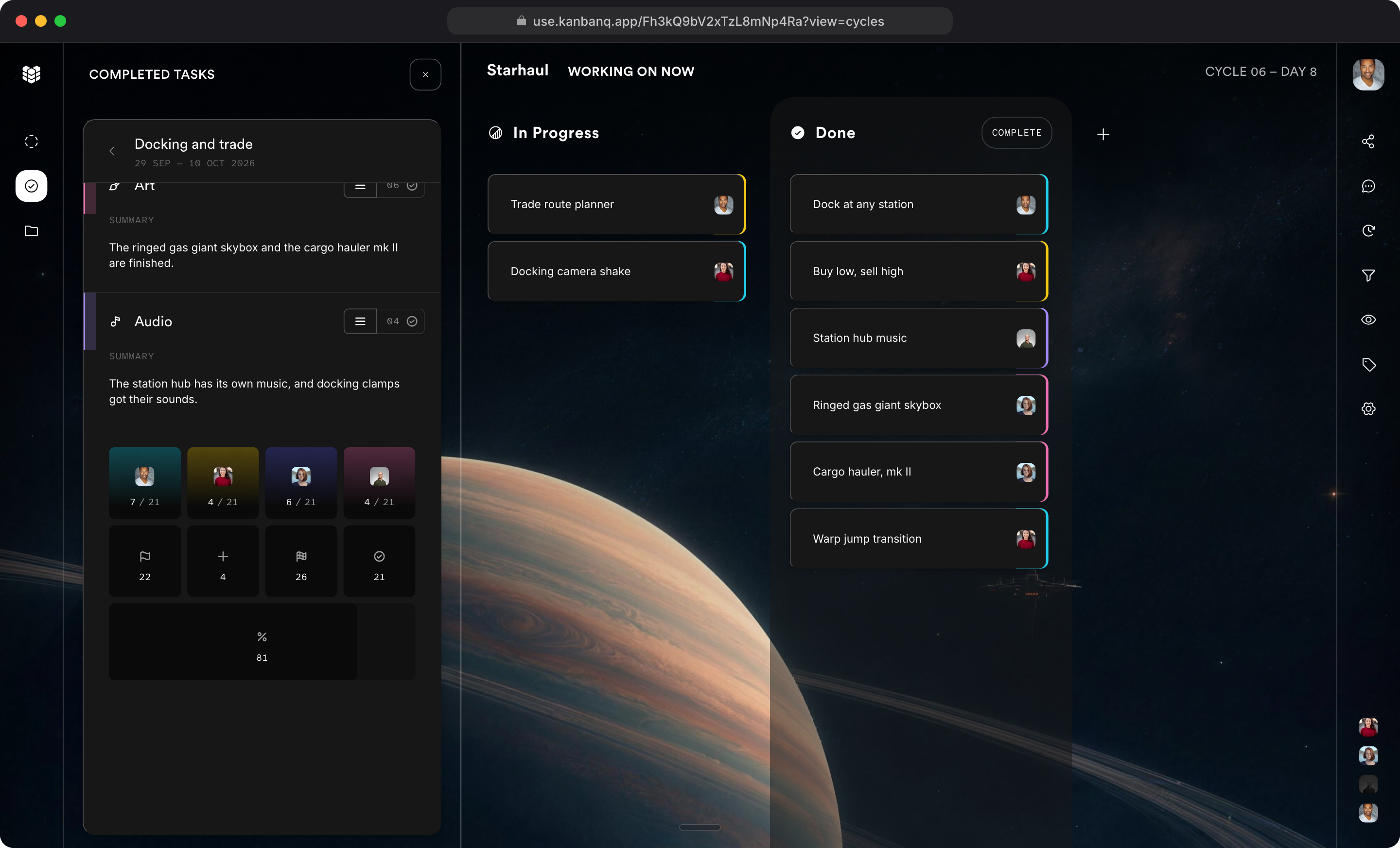
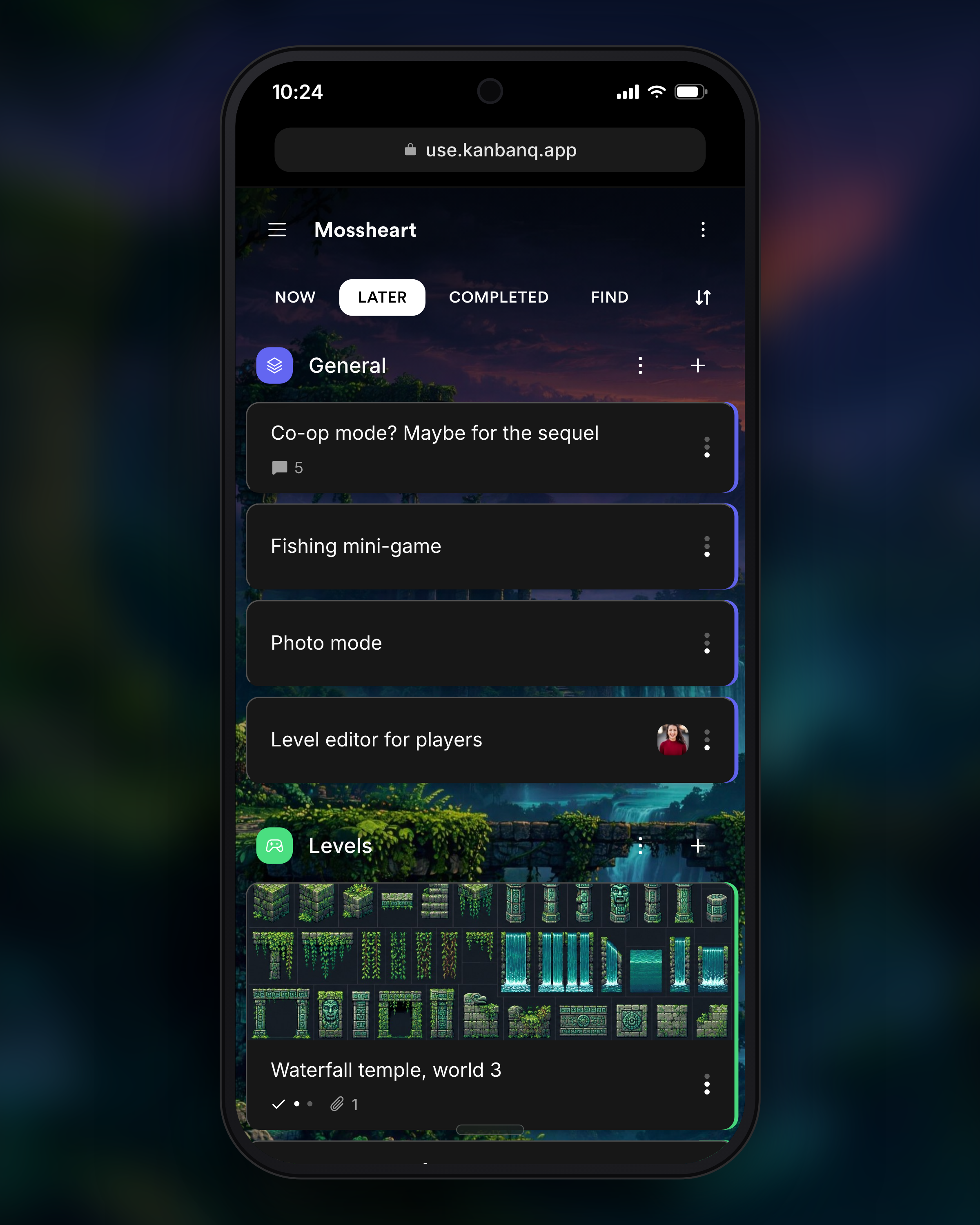
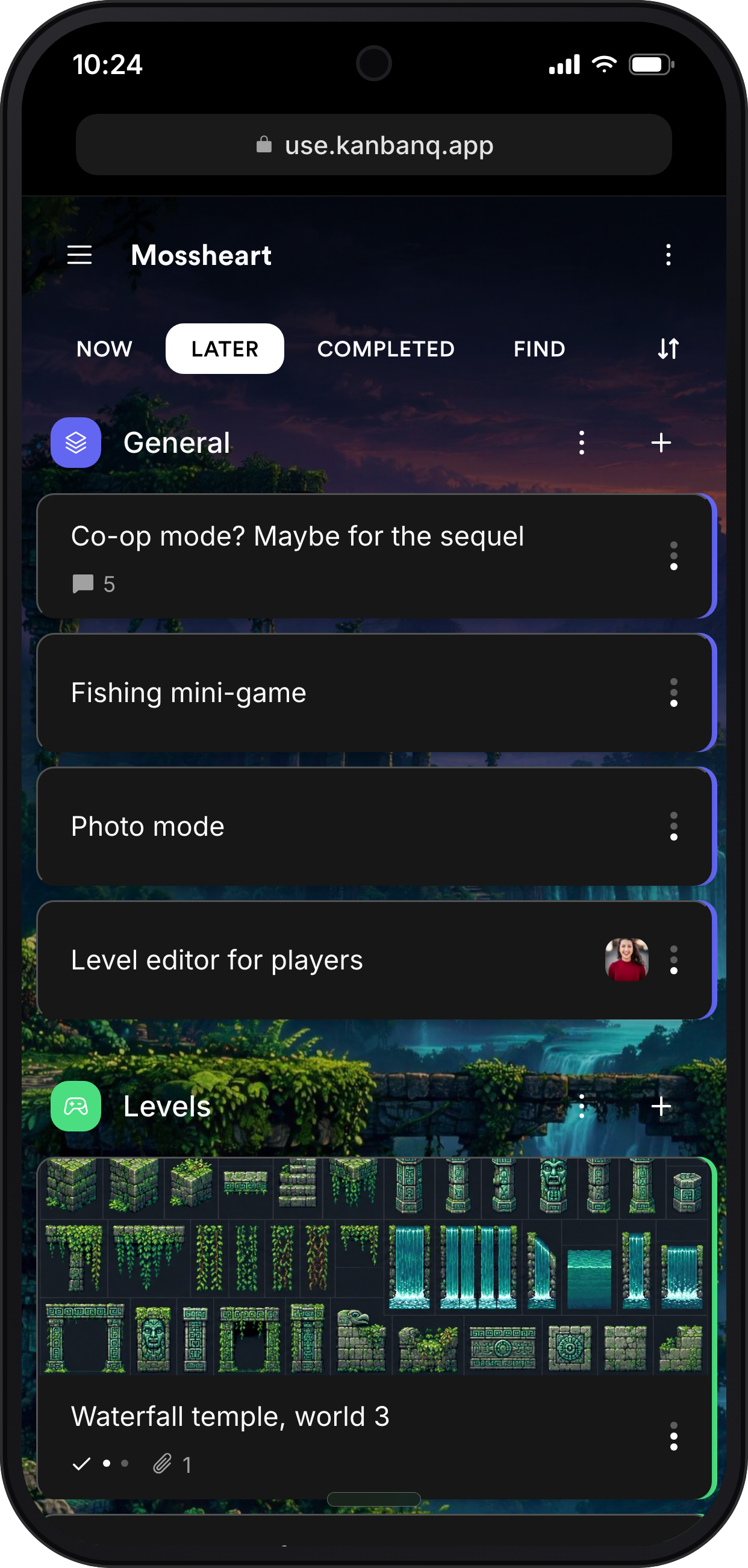
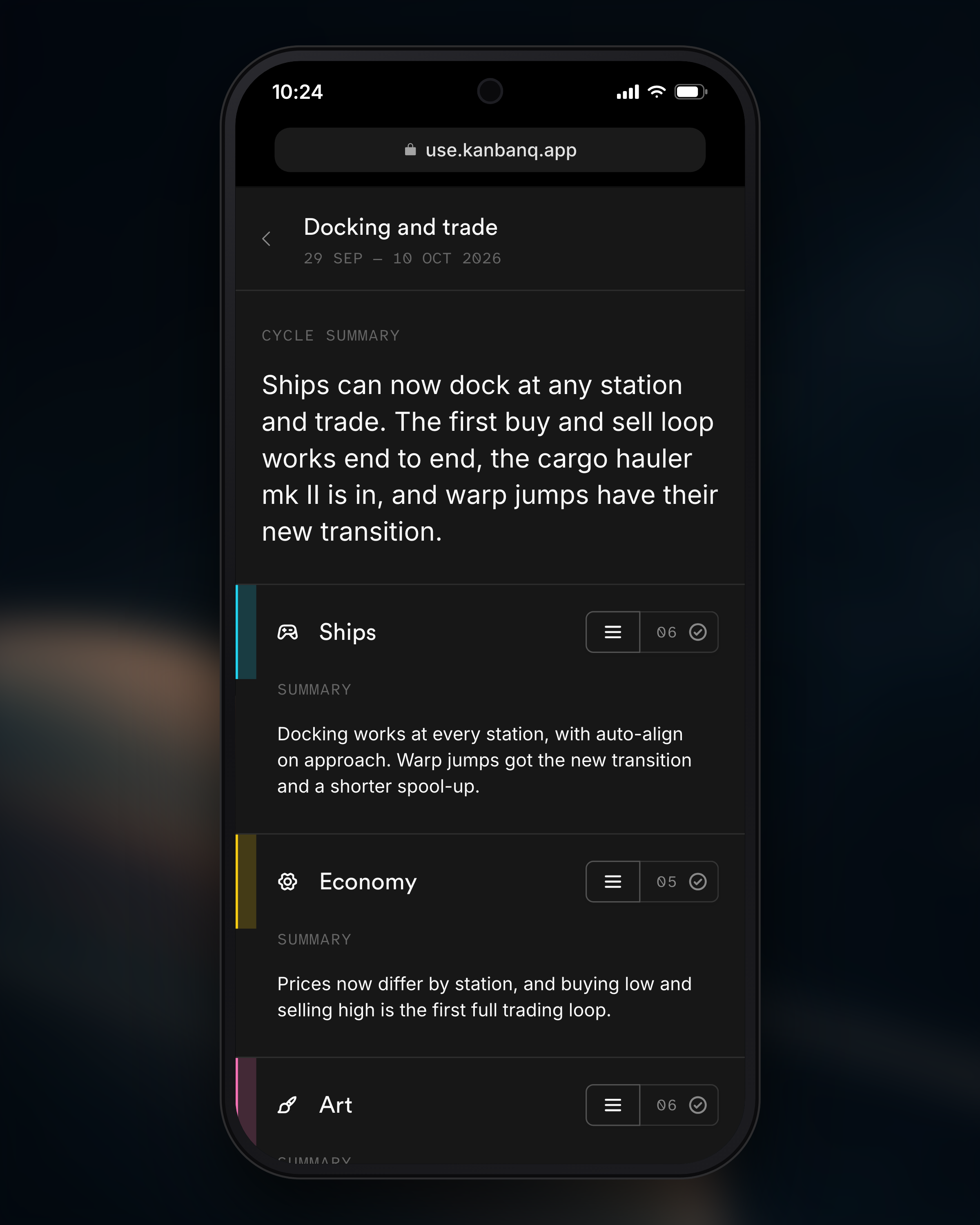
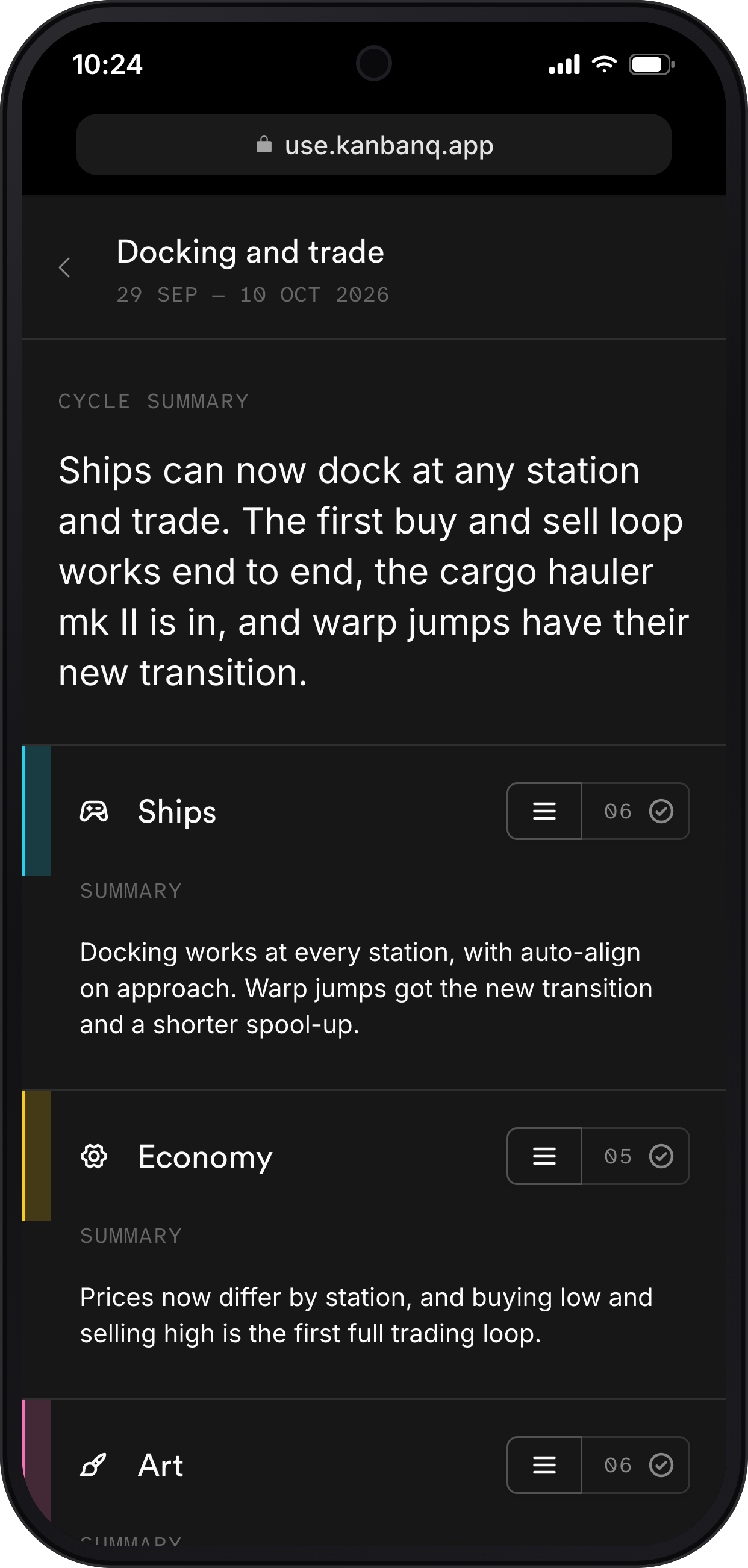
Kanbanq was designed for users who were never the target audience for heavyweight engineering tools. Its founders deliberately stripped out the jargon that makes most tools feel like homework. At the centre of the product is a dual-board layout: a real-time kanban board for the work happening now, and a separate board for everything saved for later. When a batch of work is done, Kanbanq closes the cycle, names it, and emails a plain-language summary of what shipped to everyone on the board.
What is coming next
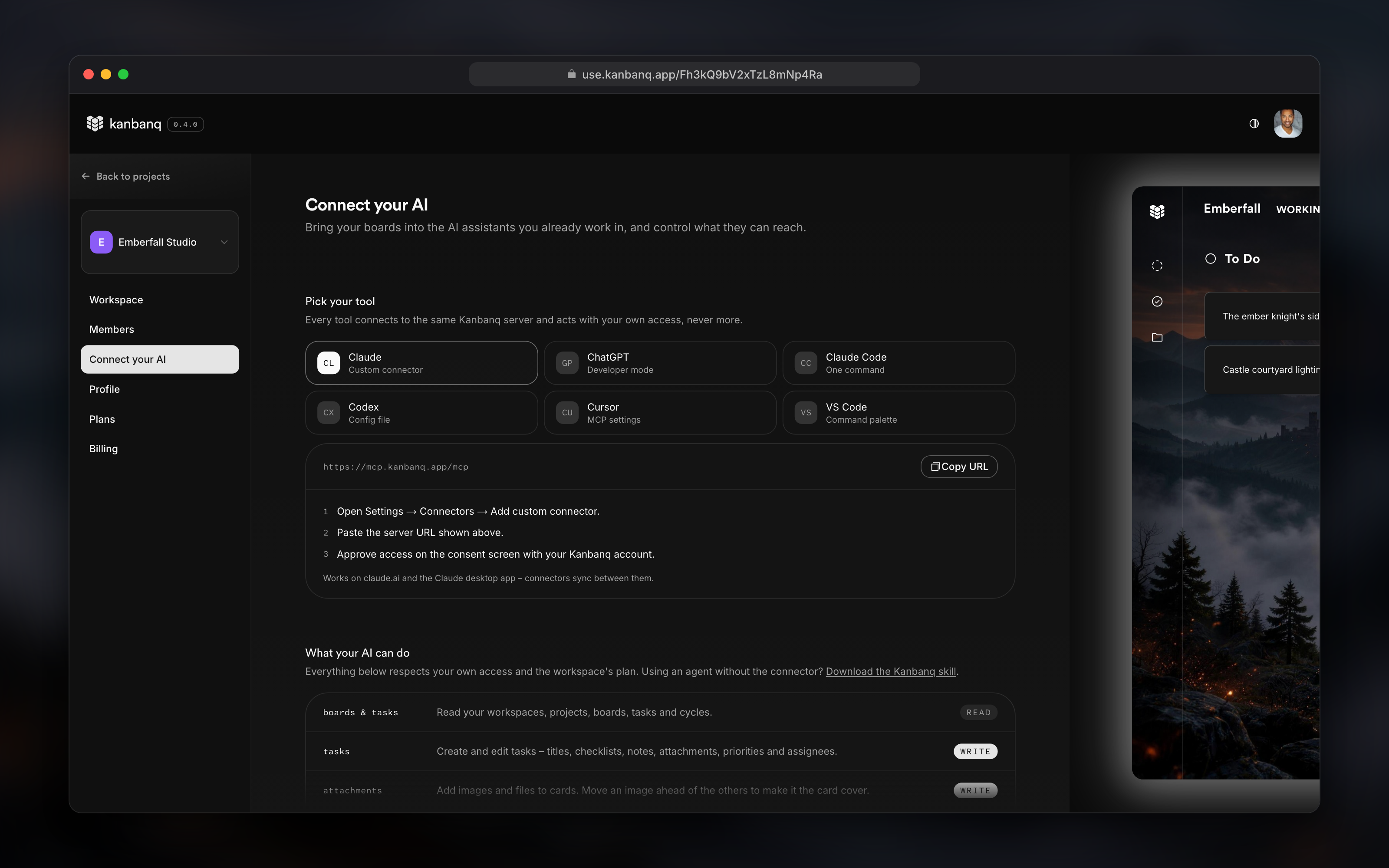
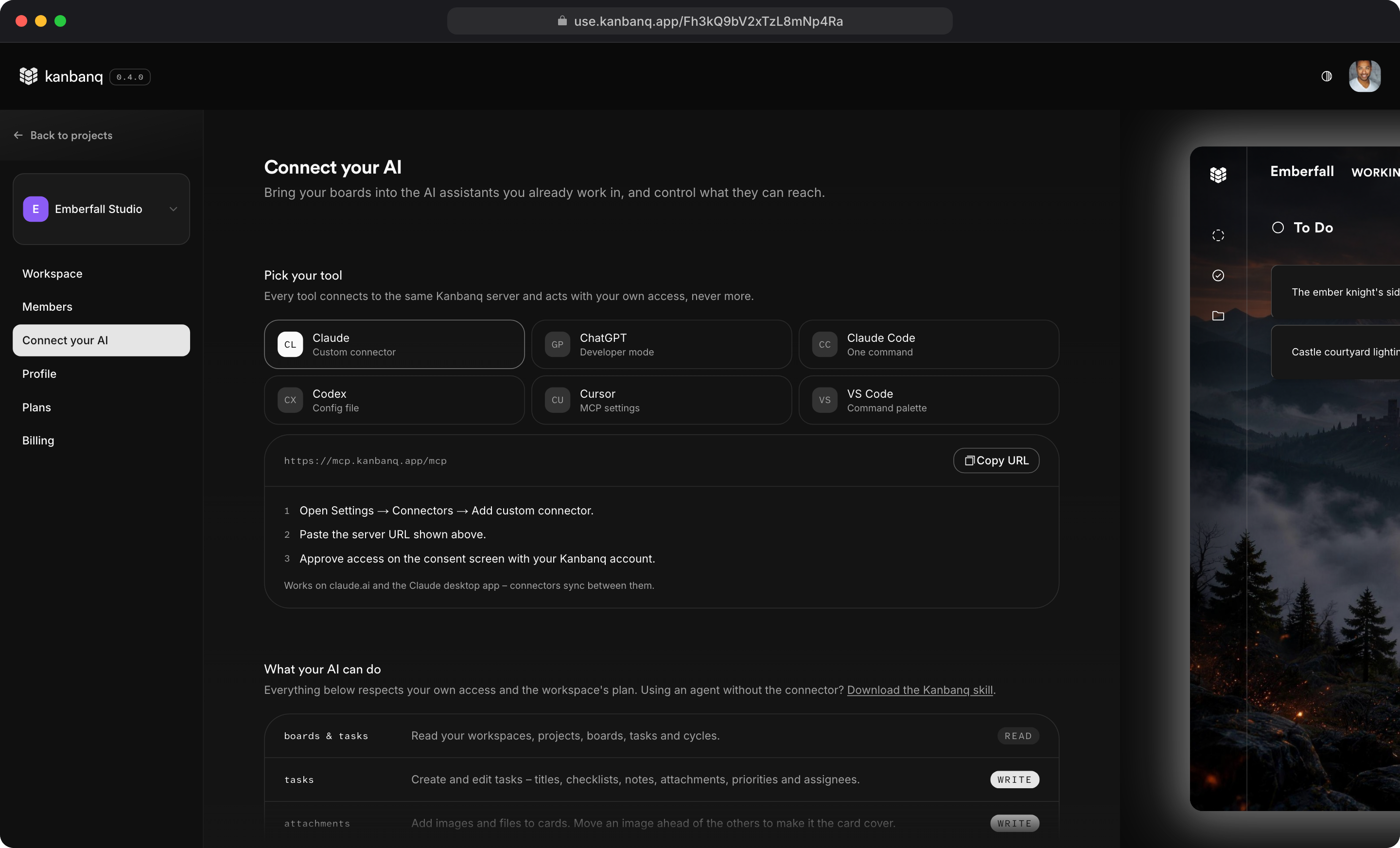
The launch is a foundation rather than a finish line. The team keeps its roadmap public inside Kanbanq itself. Near-term priorities include deeper real-time multiplayer, pinned tasks, an interactive tutorial, and MCP tooling to connect Kanbanq to AI assistants. Further out, public boards are set to become two-way: visitors will be able to vote, comment, and suggest features that flow straight back into new tasks.